Wednesday, December 27, 2023

Nephro- hospitalists?- should we consider this

Not much has been written regarding the role of a nephro-hospitalists in the Nephrology literature. There is one perspective back in 2019, before the pandemic that discusses the evolution of nephrology as a medical specialty and addresses the challenges it faces, particularly the declining interest among medical trainees in pursuing careers in nephrology. The authors emphasize the importance of adapting to these challenges and propose a solution in the form of a nephrology hospitalist model.

The field of nephrology has evolved significantly from its early focus on kidney physiology to becoming an independent clinical specialty, particularly with the introduction of dialysis in the 1960s. While patient care was initially delivered primarily in hospitals, the growing population of individuals with kidney disease led to a shift in care to outpatient settings, with a recent emphasis on subspecialized training in transplantation, interventional, and critical care nephrology.

The decline in interest among medical trainees in nephrology careers is attributed to various factors, including a lack of mentorship, the complexity of kidney physiology, busy workloads, perceived lower compensation, and a perceived lack of innovation in therapies and dialysis.

To address these challenges, the authors introduce the concept of a nephro-hospitalist model, exemplified by the experience at Washington University in St. Louis. The model involves a dedicated nephrology hospitalist service comprising attending physicians focusing on inpatient care and medical education. Medical students and rotating internal medicine residents are preferentially placed on this service, and the model includes a flexible schedule of alternating periods of service.

The benefits of this model include improved teaching and mentorship for trainees, increased elective time for fellows, and the opportunity for attending physicians to foster specific interests. The authors highlight the positive impact on education and mentorship, which is crucial for attracting trainees to nephrology.

However, the authors also acknowledge the downsides to the model, including the need for an every-other-month schedule to prevent burnout and potential limitations in attracting new trainees. Financially, the model is described as roughly break-even, and the authors note that financial considerations should be weighed against the educational benefits.

The paper discusses other institutions that have adopted similar models with varying success and mentions the potential role of nephrology hospitalists in private practices, particularly to mitigate issues related to "windshield time" and electronic health record systems.

What have other fields done

Check out this regarding the role of onco-hospitalists and cancer hospitals.
Other fields such as GI and Neurology as well have adopted this model. 

It is possible that a full-time hospital-based nephrology model can be a valuable addition to nephrology education, providing increased attending contact and mentorship for residents and medical students. We should consider further exploration of innovative models to expose trainees to the unique aspects and satisfactions of nephrology, ultimately aiming to address workforce challenges and recruit future nephrologists.

Tuesday, December 26, 2023

CMML and the Kidney


This figure summarizes the various glomerular, reno-vascular and tubulointerstital disorders seen with Chronic Myelomonocytic leukelmia ( recent review in Kidney Medicine by us)

Tuesday, October 31, 2023

Topic Discussion: Hyponatremia with Spironolactone

Hyponatremia from MRAs is a rare phenomenon but we have encountered it clinically. There are times, when we check labs after starting spironolactone for HTN, 3-4 weeks later, the Potassium is slightly up and the Na comes back 130 or 131 mmol/L.  What is the data and the mechanism for hyponatremia following spironolactone use? Is this even related.

In an abstract presented at AHA few years ago, small amount of patients were noted in an EHR to have hyponatremia following starting of spironolactone but most were following on after being started on a thiazide.

In another paper, high doses of furosemide and spironolactone, or concomitant use of these diuretics, seem to be an important cause of hyponatremia in HF patients, particularly in combination with advanced age, diabetes, and alcohol consumption. Diuretic dose reduction may help avoid hyponatremia and improve clinical status and prognosis in such patients.

Is it possible that a combination of a thiazide and a K+-sparing diuretic such as amiloride and spironolactone can increase the risk of hyponatremia because of the enhanced urinary loss of sodium in the cortical distal tubule? Perhaps not the main mechanism.

What about the concept of vasopressin escape? During hyponatremia, the body limits the degree to which serum sodium concentration falls through a mechanism called "vasopressin escape". Vasopressin escape is a process that prevents the continuous decrease in serum sodium concentration even under conditions of sustained high plasma vasopressin levels. In a recent basic science study, the abilities of aldosterone synthase (Cyp11b2) knockout and wild-type mice to escape from vasopressin were compared. Wild-type mice escaped while the aldosterone synthase knockout mice did not. Both the water channel aquaporin 2 (AQP2) and the urea transporter UT-A1 protein abundances were higher in aldosterone synthase knockout than in wild-type mice at the end of the escape period. Vasopressin escape was also blunted in rats given spironolactone, a mineralocorticoid receptor blocker. The authors results indicate that aldosterone regulates vasopressin escape through calcineurin-mediated protein changes in UT-A1 and AQP2.

    So is it possible that we are blunting the natural vasopressin escape when we combine thiazides with MRAs? Do all MRAs do this?- this is still unclear. Hyponatremia related to MRAs is an understudied area worth exploring.

Saturday, September 23, 2023

Concept Map: AKI in ECMO


Concept Map of pathophysiology related to AKI in a patient on ECMO- created by Dr. Purva Sharma using biorender.com 

Consult Rounds: BK in non renal solid organ transplantation

What is the incidence of BK viremia, and BK Nephropathy in non renal solid organ transplants?

Not much that I could find in the literature.


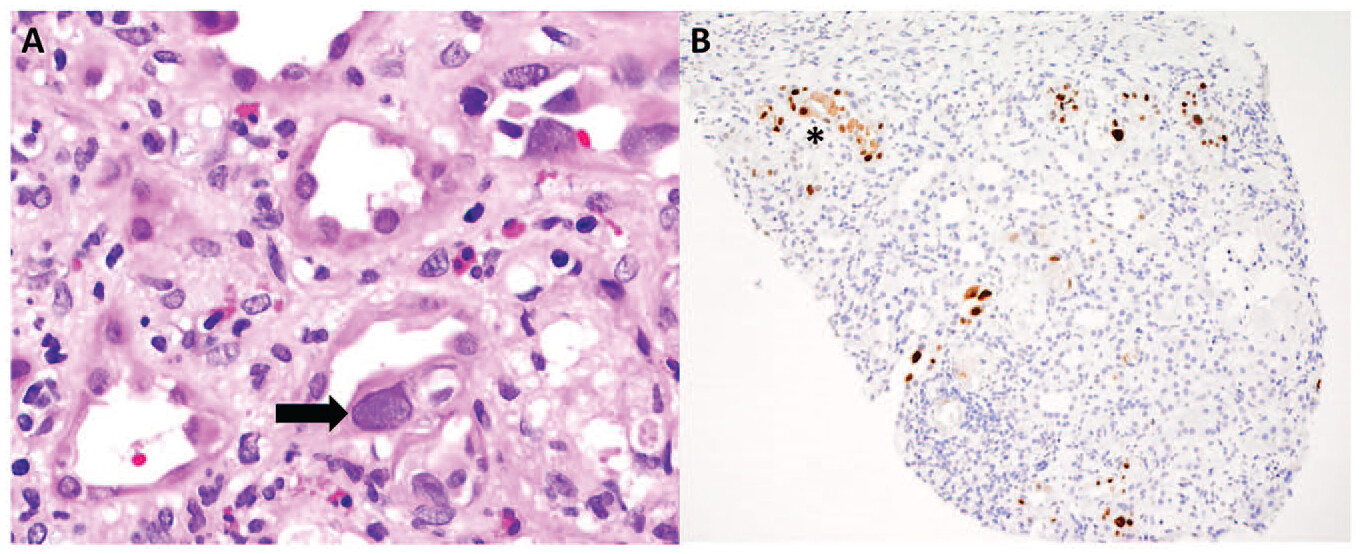
In this retrospective study from 2021, the authors investigated the clinical characteristics, pathological findings, and outcomes of BK viremia and nephropathy in non-renal solid organ transplant patients (NRSOT) who sought nephrology consultation over a five-year period. Among liver, heart, and lung transplant recipients referred to Nephrology, 14% were diagnosed with BK viremia, with a median peak serum BK viral load of 35,500 copies/ml (ranging from 250 to 21,100,000 copies/ml). Notably, BK viremia resolved in six out of seventeen patients (35%), but four out of five biopsied patients exhibited BK virus (BKV) nephropathy. Furthermore, eleven out of the seventeen patients with BK viremia progressed to advanced stages (stage 4 or 5) of chronic kidney disease. Additionally, four patients experienced rejection of their solid organ transplant within the first year following the detection of BK viremia after reducing immunosuppressive treatments. This may be a sign of just net immunosuppression.

Another study back in 2019 had looked at literature systematically on report of BK disease in native kidneys. In their review at that time, in heart transplant recipients, 13 cases of BKV nephropathy had been reported, with most occurring in males (10 out of 13), and the mean age being 36.6 years. In lung transplant patients, six cases of BKV nephropathy were identified, with a mean diagnosis age of 47.3 years. Only one case of BKV nephropathy was reported in a liver transplant recipient, and one in a pancreas transplant recipient. More have been reported since their report. The average time from transplant to BKV nephropathy diagnosis in the solid organ transplant population was 2.88 years. For patients who had undergone hematopoietic cell transplantation (HSCT), 19 cases of BKV nephropathy were found, with a mean diagnosis age of 30.6 years. In cases with demographic information, 58% were males, and half of these patients required renal replacement therapy, with a mortality rate of 63.2%. Ten cases of BKV nephropathy were reported in the context of hematologic malignancies, with an average time from malignancy diagnosis to BKV nephropathy diagnosis of 3.06 years. Ten cases of BKV nephropathy were reported in HIV-infected patients, all in males, with a mean age of 34.5 years. Three of these patients required renal replacement therapy, and mortality at the time of publication was 30%. Additionally, individual cases of BKV nephropathy were described in various other clinical settings, such as rheumatoid arthritis, Hyper IgM immunodeficiency syndrome, pulmonary tuberculosis, diabetes mellitus, prostate cancer, and an immunocompromised patient with an unclear medical history. This is fascinating to note that this entity has been ignored in the recent non renal transplant literature. 

In a meta-analysis evaluating the frequency and risk factors for BK viruria and viremia in NRSOT patients, Viswesh et al found a relatively high rate of viruria (8%-52%) but infrequent progression to viremia (3%-7%) and BKV nephropathy (1 biopsy-proven case in an heart transplant recipient). Among those NRSOT patients who did have progression to viremia and BKV nephropathy, heart transplants patients represented the majority of cases. This finding might be due to the proposed “double-hit” hypothesis, which suggests that the cumulative insult of immunosuppression and renal hypoperfusion secondary to cardiac allograft dysfunction causes clinical progression to BKV nephropathy.  

Should implementing a systematic BK screening program could effectively identify and manage this issue in the NRSOT population and or HCT patients?

Friday, August 25, 2023

In the News: Is it prime for Xenotransplantation

A seminal paper in Lancet published in 2023 focuses on the immune response after pig-to-human kidney xenotransplantation. The study uses a comprehensive approach to characterize this response in detail. 

Two pig kidney xenografts transplanted into deceased human recipients were thoroughly analyzed using various methods including morphological evaluation, immunophenotyping, gene expression profiling, digital spatial profiling, and cell deconvolution. The findings indicate early signs of antibody-mediated rejection, with evidence of microvascular inflammation, immune deposits, endothelial cell activation, and positive xeno-reactive crossmatches. The inflammation primarily consists of innate immune cells like CD68+, CD15+, and NKp46+ cells. Gene expression analysis reveals increased activation of various immune-related pathways, such as monocyte and macrophage activation, natural killer cell response, endothelial activation, complement activation, and T-cell development. 

The injury associated with antibody-mediated rejection is concentrated in the glomeruli of the xenografts, with transcripts related to monocytes, macrophages, neutrophils, and natural killer cells being significantly enriched. This rejection pattern is distinct from control autografts and ischemia-reperfusion models. The study suggests that despite initial positive outcomes, antibody-mediated rejection might still be occurring in pig-to-human kidney xenografts. The findings highlight potential therapeutic targets to address the humoral aspect of rejection and improve the success of xenotransplantation.

Interestingly, in JAMA surgery, a case report is published at the same time. The paper presents a case involving a male individual in his 50s who was declared brain dead and had acute kidney injury on top of a history of chronic kidney disease (CKD) and hypertension. After all other organ donation options were exhausted, the individual received bilateral native nephrectomy and cessation of dialysis. Crossmatch-compatible xenotransplantation was performed using 10-gene-edited pig kidneys (UKidney). The pig kidneys were modified with 10 gene changes, including knockdowns, knockouts, and human transgene insertions. The recipient was treated with a complement inhibitor (anti-C5; eculizumab) prior to xenotransplantation, followed by standard induction therapy and maintenance immunosuppression. The pig kidneys were transplanted en bloc with their vasculature anastomosed to the recipient's arteries and veins, and the ureters connected to the recipient's bladder. The pig kidneys exhibited rapid function, producing significant amounts of urine within minutes of reperfusion, and urine concentration improved over time. Serum creatinine levels dropped significantly after xenotransplantation, and creatinine clearance improved as well.

Biopsies of the xenografts showed normal histology without evidence of thrombotic microangiopathy. The authors discuss that while this case series demonstrates the success of pig-to-human xenotransplantation in providing kidney function to a deceased individual with CKD, more research with living human recipients is needed to determine the long-term function of xenograft kidneys and their potential use as a solution for the organ shortage crisis. Although single case, it highlights the potential of xenotransplantation as a viable solution for addressing the shortage of organs, which results in preventable deaths annually.

All Posts

Search This Blog