Showing posts with label General Nephrology. Show all posts

Monday, August 11, 2025

Plasma Cell Dyscrasias and Kidney Transplantation- a consensus report

A multidisciplinary consensus report by specialists in nephrology, hematology/oncology, and pathology addresses the complex intersection of plasma cell dyscrasias (PCD), such as multiple myeloma, AL amyloidosis, and monoclonal gammopathy of renal significance, and end-stage kidney disease (ESKD), exploring candidacy and strategies for kidney transplantation. 

Patients with PCD face disproportionately high rates of ESKD, severely impacting survival and quality of life. Although a kidney transplant can offer meaningful benefits, its use has been historically limited by concerns regarding disease recurrence and suboptimal outcomes. In light of evolving PCD therapies that improve disease control and extend survival, a collaborative expert panel evaluated current evidence to redefine selection criteria and care pathways for PCD-ESKD patients eligible for kidney transplant. 

Key recommendations emphasize achieving and confirming robust hematologic response before kidney transplant, tailoring immunosuppression to balance rejection risk with infection and recurrence, and adopting biomarker-driven risk stratification. The report also emphasizes the importance of ongoing multidisciplinary collaboration and targeted post-transplant surveillance tailored to PCD. 

One classic example of this is PGNMID or C3GN, which has a high recurrence rate post-transplant. Below is a potential pre-transplant treatment strategy to prevent recurrence. 


Together, this consensus guidance aims to broaden kidney transplant access for patients with PCD-ESKD while safeguarding graft survival and long-term outcomes.

Guest Post by Naoka Murakami, MD


Thursday, February 6, 2025

Saturday, July 20, 2024

Consult Rounds: eDKA with GLP-1R Agonists

Euglycemic diabetic ketoacidosis (DKA) is a rare but serious condition characterized by ketoacidosis without significant hyperglycemia. We have seen this complication and heard about it in SGLT2i. Apparently, this can occur in patients using GLP-1 receptor agonists as well. 

GLP-1 (glucagon-like peptide-1) agonists enhance glucose-dependent insulin secretion, suppress inappropriate glucagon release, slow gastric emptying, and promote satiety. Euglycemic DKA is rare but has been reported in patients on GLP-1 agonists, particularly in combination with other diabetes medications like SGLT2 inhibitors. Why and when:- especially in type 1 diabetes (even if undiagnosed), severe illness, surgery, dehydration, and reduced insulin doses. Dehydration and changes in diet or medication regimens can also precipitate euglycemic DKA.

FAERS reporting system study confirmed this association. Using the FAERS database, The authors extracted the number of DKA reports from the first quarter (Q1) of 2004 to the fourth quarter (Q4) of 2019 and calculated proportional reporting ratios (PRRs). They then examined each FAERS file from Q1 2004 to Q4 2020 to gather detailed information on DKA reports. During the period from Q1 2004 to Q4 2019, there were 1,382 DKA cases (and 1,491 ketosis cases) linked to GLP-1RA in the FAERS database. After excluding the influence of SGLT2 inhibitors, Type 1 diabetes, and insulin, there was a slightly disproportionate reporting of DKA associated with overall GLP-1RA (PRR 1.49, 95% CI 1.24-1.79, p < 0.001). This disproportionality disappeared when GLP-1RA was combined with insulin. When GLP-1RA is not combined with insulin, there was a disproportionality of DKA reports associated with GLP-1RA. The authors's analysis of the FAERS database provides evidence and highlights the potential association between DKA adverse events and GLP-1RA therapy, which clinicians may often overlook.

Here is a case report. This case report is with GLP-1RA and SGLT2i use. Here is a summary from the UK agency. 

Diagnosis requires a high index of suspicion in diabetic patients presenting with typical DKA symptoms but normal or mildly elevated blood glucose.

Let's observe to see if we see more of these cases as more and more prescriptions are being given out in the general medicine, cards and renal community. 


Friday, June 28, 2024

Opinion: Should we focus on targeted therapy and use less of ACEi/ARB, SGLT2i?

In nephrology, we have traditionally focused on treating CKD and fibrosis, often resorting to "band-aid" therapies for many diseases. Most guidelines suggest starting with ACE inhibitors (ACEi) or angiotensin receptor blockers (ARBs), and more recently, adding SGLT2 inhibitors (SGLT2i). This approach has proven effective for diabetic nephropathy, advanced CKD, and perhaps secondary focal segmental glomerulosclerosis (FSGS). However, is this strategy appropriate for other glomerulonephritides (GNs) and disease states?

For instance, if proteinuria is high, KDIGO recommends ACEi/ARB and conservative management as the first-line treatment for IgA nephropathy (IgAN). Should we not reconsider this approach? Why not prioritize treating the underlying disease with targeted therapies first? If these fail or CKD progression continues, we could then add ACEi/ARB, SGLT2i, and other CKD medications. For example, in lupus nephritis (LN), we initially treat the disease itself. Yet, in many GNs, we start with "band-aid" medications, which often leads to the primary disease treatment being sidelined or neglected.

A paradigm shift is needed in renal medicine, especially as new targeted therapies for conditions like IgAN, C3 glomerulopathy (C3GN), membranous nephropathy, and APOL1-mediated FSGS emerge. We should consider starting with these targeted therapies, and following up with ACEi/ARB and SGLT2i as supportive measures.

I propose adopting a methodology similar to rheumatology and oncology, where disease-modifying agents are used as first-line treatments (supported by RCT data), followed by CKD agents. While there is currently no data to support this approach, a shift in mindset is necessary to design and conduct trials based on this concept. This is a lingering thought from a nephrologist who sees other fields advancing faster than ours.


Saturday, September 23, 2023

Consult Rounds: BK in non renal solid organ transplantation

What is the incidence of BK viremia, and BK Nephropathy in non renal solid organ transplants?

Not much that I could find in the literature.


In this retrospective study from 2021, the authors investigated the clinical characteristics, pathological findings, and outcomes of BK viremia and nephropathy in non-renal solid organ transplant patients (NRSOT) who sought nephrology consultation over a five-year period. Among liver, heart, and lung transplant recipients referred to Nephrology, 14% were diagnosed with BK viremia, with a median peak serum BK viral load of 35,500 copies/ml (ranging from 250 to 21,100,000 copies/ml). Notably, BK viremia resolved in six out of seventeen patients (35%), but four out of five biopsied patients exhibited BK virus (BKV) nephropathy. Furthermore, eleven out of the seventeen patients with BK viremia progressed to advanced stages (stage 4 or 5) of chronic kidney disease. Additionally, four patients experienced rejection of their solid organ transplant within the first year following the detection of BK viremia after reducing immunosuppressive treatments. This may be a sign of just net immunosuppression.

Another study back in 2019 had looked at literature systematically on report of BK disease in native kidneys. In their review at that time, in heart transplant recipients, 13 cases of BKV nephropathy had been reported, with most occurring in males (10 out of 13), and the mean age being 36.6 years. In lung transplant patients, six cases of BKV nephropathy were identified, with a mean diagnosis age of 47.3 years. Only one case of BKV nephropathy was reported in a liver transplant recipient, and one in a pancreas transplant recipient. More have been reported since their report. The average time from transplant to BKV nephropathy diagnosis in the solid organ transplant population was 2.88 years. For patients who had undergone hematopoietic cell transplantation (HSCT), 19 cases of BKV nephropathy were found, with a mean diagnosis age of 30.6 years. In cases with demographic information, 58% were males, and half of these patients required renal replacement therapy, with a mortality rate of 63.2%. Ten cases of BKV nephropathy were reported in the context of hematologic malignancies, with an average time from malignancy diagnosis to BKV nephropathy diagnosis of 3.06 years. Ten cases of BKV nephropathy were reported in HIV-infected patients, all in males, with a mean age of 34.5 years. Three of these patients required renal replacement therapy, and mortality at the time of publication was 30%. Additionally, individual cases of BKV nephropathy were described in various other clinical settings, such as rheumatoid arthritis, Hyper IgM immunodeficiency syndrome, pulmonary tuberculosis, diabetes mellitus, prostate cancer, and an immunocompromised patient with an unclear medical history. This is fascinating to note that this entity has been ignored in the recent non renal transplant literature. 

In a meta-analysis evaluating the frequency and risk factors for BK viruria and viremia in NRSOT patients, Viswesh et al found a relatively high rate of viruria (8%-52%) but infrequent progression to viremia (3%-7%) and BKV nephropathy (1 biopsy-proven case in an heart transplant recipient). Among those NRSOT patients who did have progression to viremia and BKV nephropathy, heart transplants patients represented the majority of cases. This finding might be due to the proposed “double-hit” hypothesis, which suggests that the cumulative insult of immunosuppression and renal hypoperfusion secondary to cardiac allograft dysfunction causes clinical progression to BKV nephropathy.  

Should implementing a systematic BK screening program could effectively identify and manage this issue in the NRSOT population and or HCT patients?

Tuesday, May 2, 2023

Topic Discussion: Mastocytosis and the Kidney


A recent review by us in NDT discusses the kidney involvement in systemic mastocytosis.

Systemic mastocytosis(SM) is a clonal mast cell disorder due to a somatic gain-of-function mutation in the KIT gene resulting in mast cell accumulation in tissues. SM manifests as symptoms related to mast cell mediator release (flushing, pruritus, cramps, diarrhea, bronchospasm, angioedema) and organ damage. Skin involvement is frequent, esp. in indolent SM, red-brown macules and papules, fine telangiectasias, urticate on stroking

Kidney involvement: 1)Paraprotein-related kidney disease like light chain amyloidosis and MIDD, common association between plasma cell dyscrasia and SM 2)Immune-mediated GN like mesangial proliferative GN, membranous GN, and diffuse proliferative GN. Hypothesis- Increased circulating immune complexes and vasodilatory mediators released by mast cells increase glomerular permeability. 3)nephrotoxicity of drugs to treat SM: IFN-alpha, bisphosphonates, tyrosine kinase inhibitors

4)nephro-urolithiasis: increased prevalence in SM. Be careful of mast cell mediator release from treatment used for stones. Avoid radiocontrast agents, use pre-operative steroids, use selective COX-2 inhibitors

5)bladder mast cell infiltration causing interstitial cystitis

Treatment of SM-directed therapy includes agents to control mediator release, and mast cell clone directed therapy, interstitial nephritis is typically treated with glucocorticoids in addition.

Although rare, kidney involvement is increasingly described, either direct or indirect

Sunday, December 18, 2022

Consult Rounds: Differential Diagnosis of Asterixis

 The differential diagnosis of asterixis is important for a Nephrologists- It is not always Uremia...


Metabolic causes-- Uremia, Liver failure and hypercapnia 
Neuro drugs--Anticonvulsants, Benzos-- classic is phenytoin, carbamazepine, gabapentin, valproic acid, lithium
Antibiotics-- Cefepime, and other cephalosporins
Electrolyte disorders-- Hypomagnesemia, hypokalemia( never seen it there)
Bilateral brain lesions
**Unilateral brain lesions cause unilateral asterixis

Tuesday, September 27, 2022

Perspective: Interim report of ASN Task Force for Future of Nephrology 2022

 The ASN task force on the Future of Nephrology 2022 put out 10 important pointers for fellowship training. Here are the 10 pointers with my opinion on each next to it.


1. Enhance competency based Nephrology education: This is in line similar to COCATs in cardiology. 
I think this is a very important move as this will let us focus on the core topics in General Nephrology training. Overall, this is a win win for both fellows and programs

2. Individualize pathways for career goals: This is basically asking to create tracks so that each fellow can create a career niche. After basic general nephrology training, allow for time spent in various sub fields within nephrology( not an extra year of training). 
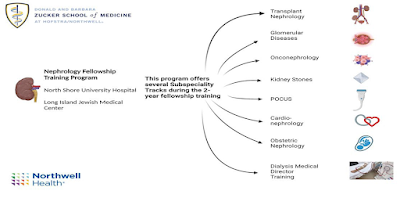
Personally, I am all for this one and have been promoting this at our center for last 6 years. This allows for selection of tracks and focus for each fellow. It makes their fellowship unique from the peers. Focused tracks can make this happen. At our center we do the following tracks and give a certificate for each graduate. But each track has requirements they have to fulfil under a small curriculum within a curriculum.  Yes, its time to just be creative over and over. 


3. Reconsider procedural training in Nephrology. Emphasis on removal of potentially placing of lines and performance of kidney biopsies. Instead, there should be focus on indications, knowledge of complications and if someone desires( individualized training), program should be able to offer the training. Emphasis on POCUS was mentioned.
This is the final straw for our procedures in nephrology but if you ask the fellows- most don't do it anyway post graduation- Its time for it to go. Smart Move by ASN. I don't think it should be required for ACGME and board exam to have done these procedures. Good focus on POCUS as we embrace the future. This is a win for fellows but not sure if a complete win for programs. Not all programs have faculty to teach POCUS. We need more faculty trained in POCUS to make this happen. Glad I learnt it from my fellow many years ago- truly has changed my practice.

4. Emphasize training in home therapies- Need more intensive training in PD and HHD.
This is a MUST for all. I think this is important for our patients and our trainees. A win for the fellows. Not a sure win for all programs as some programs may suffer due to lack of patients -- not their fault as its a system's problem at some centers. But this may raise the bar to make sure there is enough faculty who are comfortable to teach PD and HHD and enough volume. Not sure you need a third year for this but rather most fellows graduating should be able to comfortable prescribing and managing PD and HHD. Some fellows who want an academic career may want an extra year of training at specialized centers. 

5.Close gaps in current nephrology training. If there were gaps from the above 4 points, programs may need to partner with other societies to close those gaps.
I think this is a temporary solution. Eventually, this will evolve as most programs close the gaps

6. Promote well being of nephrology fellows. 
This was important and finally made it to a priority. This will help with burnout in our fellows. Working with NP/PA and restructuring programs will help with this matter. We must not forget our faculty and attending well being as we work on fellows well being. Neither should suffer.

7. Prioritize diversity, equity, inclusion and health care justice
I think this is extremely important. We need more diverse applicants and applicant pool in Nephrology. Diversity brings ideas and promotion of our field forward. 

8. Foster interprofessional practice.
This is important and our recent ASN Kidney News sept 2022 issue really highlights this. We are a kidney care team- all should work together. 

9. Ensure interdisciplinary practice. Working closely with cardiology, oncology, hepatology and other fields in medicine is critical for our training. 
This is a given but almost forgotten. Working with our colleagues closely will be important to foster collaboration and programs to help trainees for both sides. A classic example of this is centers that have created nephro-hospitalistscardio-renal services etc. 

10. Inspire lifelong learning
This is aspirational. This may happen but may not happen. This is individualized but if the program can create venues, programs to continue ongoing learning- this would be very helpful. 


Overall, I applaud the entire ASN workgroup on this venture!


Wednesday, October 27, 2021

In the News: Performance trends of Nephrology fellows in certification exams

 A news flash paper published recently in JASN showcased the down trending test scores of nephrology fellows in certification exams. The authors analyzed the data from 2010-2019 and found that the pass rate has been falling below the bench marks. Interestingly, they found that the factors associated with this decline were lower internal medicine exam scores, older age and training in a smaller program. In addition, female sex and being IMG were also associated with a lower board score. 

The IM board score as a predictor can make sense as both exams evaluate knowledge and skills of reasoning. Age over 33 performed less well than younger candidates is interesting. This could be because of non medical factors. Even since 2009 when I took my boards, the knowledge level has changed. There is more and more to read and more diseases to understand in medicine. Residency has not changed, Fellowship years have not changed. While knowledge and science has advanced, we have not changed our ways to teach and perhaps even consider changing the timeline of residency and fellowship. Fellows have family and other commitments as well and a well balanced life-work-training is critical for our trainees. 

The fact that graduates of the least competitive nephrology fellowship programs(smaller programs) performed worse after regression adjustment indicates there might be a peer effect, or advantages of a structured program at a larger academic center. 

IMGs were less likely to score high.  The field of Nephrology has seen an increase in IMG applicants.  In 2019, IMGs comprised nearly 70% of those taking the nephrology exam for the first time, an increase of more than eight percentage points from 2010. We keep forgetting that everyone learns differently- not everyone has a structure of learning in multiple choice questions in rest of the world; there are language barriers and other factors that play a role as well. Fellowship programs need to explore non ppt format of teaching and novel ways to teach the same material for varied type of learners. 

Finally, women were found to have lesser scores. To my knowledge, not sure of any published papers showing this difference in test taking strategies. I don't think we need to take any stake in these findings as these might be not of any significance. The editorial nicely reminds us to not take this finding seriously. 

What should be done?
Why can't we test the fellows on what we really encounter rather than esoteric rare and confusing diseases. Why can't the tests really mirror the life of a renal fellow and attending?
Institutions need to take ownership on better techniques and strategies to help their fellows. Many residencies may not be training them in proper test taking techniques. 
Institutional and program resources must support trainees’ needs, protect their time, and ensure education is prioritized.  

I can say from my personal example of few fellow I trained- had trouble passing the boards due to their test taking abilities. Their patient satisfaction scores as attendings are off the roof and their overall understanding of both patient care and medicine is excellent. They may not be a good test taker, but they can manage a good census, take care of patients and call for help when needed and effectively communicate with other doctors. They win patient trusts, they do well with following up and most important of all- they care! and want to be Nephrologists that matter. 

While test scores are important, failures sometimes teach us to be better and improve our abilities to be the best at what we do. But regardless, this is a wake up call for our field to improve as instructors and teachers and not disappoint our students. 


Wednesday, August 11, 2021

Topic Discussion: As needed anti HTN meds in the hospital- can we stop the madness?


We often see in the hospital, BP is treated as needed. Often, as nephrologists we have suggested to NOT do this. Outpatient problem that exists for years cannot be corrected in 2 hours by hydralazine or beta blockers so that the "vitals" look good and " numbers" are good for rounds. A recent study published in Hypertension nicely showcases this via a retrospective propensity matched protocol. When compared to scheduled BP meds patients to Scheduled meds and PRN patients ( over 4000 each), risk of AKI, stroke and mortality was higher in the as needed group. In addition, length of stay was higher as well. 

This comes following another recent article in JAMA looking at a similar concept. Among 22,000+ patients studied in hospitals with non cardiac diagnosis, hypertension was treated as needed in several patients.  In a propensity-matched sample controlling for patient and BP characteristics, treated patients had higher rates of subsequent acute kidney injury (466 of 4520 [10.3%] vs 357 of 4520 [7.9%]; P < .001) and myocardial injury (53 of 4520 [1.2%] vs 26 of 4520 [0.6%]; P = .003). There was no BP interval in which treated patients had better outcomes than untreated patients. A total of 1645 of 17 821 patients (9%) with hypertension were discharged with an intensified antihypertensive regimen. Treating with intensification of anti HTN meds without signs of end organ damage lead to worse outcomes.

Finally, another study in 2019 in JAMA found that among older adults hospitalized for noncardiac conditions, prescription of intensified anti-hypertensives at discharge was not associated with reduced cardiac events or improved BP control within 1 year but was associated with an increased risk of readmission and serious adverse events within 30 days.

So basically, let's not try to treat a number but the patient and let's not make a chronic problem a priority in the admission that doesn't warrant too many changes. That may be doing some harm!

Sunday, July 4, 2021

ASN Kidney News All Education Issue 2021

 July 2021 is an entire issue of ASN Kidney News. See all visual abstracts related to the issue


Sunday, May 30, 2021

Topic Discussion: SGLT2i and the Kidney


Two tweetorials I had recently done on the benefits of SGLT2 inhibitors

Here is a table summary of what exists on benefits of various things in Nephrology


SGLT2i  benefit

Summary or Major Reference

Diabetic Kidney Disease

https://onlinelibrary.wiley.com/doi/full/10.1002/clc.23508


IgA Nephropathy

https://www.kidney-international.org/article/S0085-2538(21)00396-3/fulltext


SIADH

https://jasn.asnjournals.org/content/31/3/615.abstract


Hypomagnesemia

https://www.ncbi.nlm.nih.gov/pmc/articles/PMC5380494/


Kidney Stones Prevention

https://link.springer.com/article/10.1007/s00125-021-05424-4


Anemia of CKD

https://www.thelancet.com/journals/landia/article/PIIS2213-8587(20)30300-4/fulltext


Prevent AKI

https://cjasn.asnjournals.org/content/16/1/70.abstract


Prevention of cisplatin AKI

https://journals.physiology.org/doi/full/10.1152/ajprenal.00512.2019


Sunday, February 14, 2021

Topic Discussion: ACEI/ARB ( hold em or keep them going)

 The COVID19 pandemic has ignited an ongoing saga of holding ACEi/ARB when someone is hospitalized. Normally a consult note in nephrology would include holding of these agents before a cardiac cath, CABG, or major procedure ( with little data on doing it).

A recent study in JASN done using a novel methodology showed no real benefit in stopping these agents in late stage CKD patients in the Swedish Renal Registry for the last 10 years.  Advanced CKD ( GFR<30) on these agents were evaluated. A target trial emulsion technique was used on risk of stopping these agents for 6 months and their outcomes on 5 year mortality, and MACE and KRT. So while KRT risk increased, the MACE and mortality decreased. MACE was mainly driven by mortality. In this nationwide observational study of people with advanced CKD, stopping RAS inhibition was associated with higher absolute risks of mortality and major adverse cardiovascular events, but also with a lower absolute risk of initiating KRT.


Meanwhile, in the COVID19 world,  REPLACE COVID published in Lancet was published. T
his trial began on March 31, 2020, within a few months of COVID-19 hitting North America and in the thick of the first wave. All COVID19 patients hospitalized , already on chronic ACEi or ARB  were randomized to either continue or stop their ACEi or ARB. In terms of the results, there was absolutely no difference in any of the outcomes, all cause death and length of stay. There was also no difference in the exploratory outcomes of ICU admission, ventilation, or hypotension requiring hemodynamics support. These findings are also bolstered by the similar findings from the BRACE CORONA trial published in JAMA in a slightly less sick cohort of 659 patients showing similar results. The primary outcome was the number of days alive and out of the hospital through 30 days. Secondary outcomes included death, cardiovascular death, and COVID-19 progression.  The study found that in patients hospitalized with mild to moderate COVID-19 and who were taking ACEIs or ARBs before hospital admission, there was no significant difference in the mean number of days alive and out of the hospital for those assigned to discontinue vs continue these medications. These two trial (RCTs done in pandemic)  findings do not support routinely discontinuing ACEIs or ARBs among patients hospitalized with COVID19.  Check out this nice editorial on this in ASN kidney news 2021

There is an ongoing trial called STOP-ACEi. Do we really need that trial? Given we were able to do an RCT in a middle of a pandemic with sick patients with COVID19 and that showed no real difference in terms of outcomes of holding ACEi or ARBs, my guess is that STOP-ACEi will show the same. Unless there is hyperkalemia, or hypotension, no real strong indication to hold or stop these life saving cardiac medications.

Culture change will take time:  It is hard to convince nephrologists to start ACEi/ARB in late stage CKD, let alone convincing hospitalists or internists. It is hard to NOT to hold ACEi/ARB when creatinine is rising during an acute cardio-renal syndrome- convincing will take time. Hope these trials will help us continue these life saving agents in hospitalized patients( and ok to even stop them) but sometimes- nobody restarts them on discharge... 


Thursday, September 12, 2019

Topic Discussion: Do Renal consultations matter in surgical and cardiac ICU patients


AHA moment arrived when I saw this article in AJKD on interdisciplinary collaboration of nephrology with surgical and cardiac surgery ICUs. It was a qualitative study highlighting some of the conversations that happen in the CTICU with the nephrologists and what is “felt” about renal consultations.
This is an important topic that we encounter as consultants. Often, we get urgent calls from the ICU, for example CTICU , “ Doc, we need an urgent consult, this patient post CABG is oliguric now and crt rose from 1 to 1.4mg/dl and we need urgent CRRT, and we placed the dialysis catheter already for you…”
Now this situation is not uncommon… how does one respond to that..
Either you say, “ gee. Thanks for that and I will come evaluate and decide if I even need to use that catheter as they might not need dialysis..”  What is the role of the Nephrologist in some of the surgical run ICUs.? Are we seen merely as technicians or truly thoughtful physicians that make decisions that will or not alter the care of the patient..
The article really highlights this very important issue. Some of the major themes highlighted are listed below
1.      There was almost an absent influence of renal decisions in some of the surgical and CTICUs; this stemmed from many surgeons and intensivists not sure of the renal fellows decisions not going along with attending nephrologists decisions. In my opinion, many times and at many centers-they bypass fellow based consult services and call attendings only for that reason.
2.      Nephrology fellows and attendings found it hard to communicate to CTICU staff as the PA or NP would not really be making that decision and the final decision came from the surgical head of that patient ( who often is not in the unit)
3.      Nephrology fellows might not realize the hierarchy noted in some of the surgically based ICUs compared to MICUs.  This is interesting as the first time we encounter surgical culture in depth is during renal fellowship( 3 years in medicine- we usually are kept away from SICU, CTICU and NSICU)
4.      What I found totally astonishing was one of the comments made in box 2 by an NP that was interviewed is that “renal was the only service we had to call to get something done as We can’t just order dialysis” – and hence making us seem like just a dialysis ordering physician
5.      It also goes into details on who manages the fluid removal once CRRT has been started. It is an ongoing battle. Often this leads to conflict and at many centers, Nephrologists have given up CRRT ordering and management to ICU intensivists( sad but true)
6.      Due to our consult note and recommendations have no value- many times- there was early signing off of the consult- as “ if they are not listening to our recommendations anyway – why bother writing a note everyday…” Not uncommon to see in this unit.
7.      While Nephrologists thought they were best valued to understand AKI and noted a good nephrologist is a good internist. Meanwhile, surgical staff didn’t believe that and felt nephrologists were mostly dialysis gatekeepers and didn’t feel we understood AKI in the overall ICU status and ordering tests of diagnostic significance were not very valuable.
8.      The role of nephrologists being dialysis proceduralist clashed nephrologists value of preventive medicine mainly in the CTICU. From a surgical perspective, a consultation that doesn’t offer any valuable intervention such as dialysis to help the acutely ill patient is useless. – heard that one before many times
9.      The most common disagreements were on when to do dialysis, timing of initiation and managing fluids—the most common we see in practice anyway. It is not uncommon where I have written “ stop diuretics” but they are continued and then days later I am starting them on RRT.  But there have been also times where I have said “ stop diuretics” and they continued and they did better by not listening to me.  So in general, does our opinion matter?
10.   Interesting, surgical and CT ICU staff viewed dialysis as a tool to get rid of the kidney problem whereas we see it as a last resort before trying all medical maneuvers.  One comment was really funny, In box 3, one of the nephrologists interviewed said “ they view most of us as technicians. Just like anesthesia can just put the person to sleep, just put a tube and no big deal- anyone can do it, you can slap someone on dialysis, no big deal.”.  My favorite one I get called is “ can you come and spin him”
11.   Finally, due to history of these interactions, nephrologists and nephrology fellows avoided the controversial issues. Many times, this led to resignations from the case.
12.   Lot of these changes are due to different medicine vs surgical cultures.

How do we fix this? Can we fix this? The authors describe this is discipline siloing leading to ineffective collaboration amongst fields of medicine. This is important to break and learn. This will be critical as it can harm patients if gets escalated and neglect ensues. We need to understand the other persons perspective and realize that all physicians have one medical school, residency and fellowship—we all bring in some value to the patient. We need to respect and honor each other’s fields of medicine.
When I showed this article to one of our CT surgeons, his/her reaction was merely to dismiss it. My fellow and I were hoping for more of a conversation to improve this encounter.
Then the next day, in the CTICU, we see that the curtains are closed and one of the rooms was having open heart surgery happening in the middle of the ICU – for an urgent mater.  We were just amazed at the life saving nature of their field in medicine… it is just amazing what they can do. And I told my fellow, “ if they can make the ICU bed an OR instantly, their assumption is that dialysis can happen instantly and at any place- even in the OR..” We have to understand that they come from a different perspective.  Once we start understanding that, we may be more welcoming of their way of thinking. Similarly, at some point, perhaps they can understand our physiological approach to certain things and preventive nature of AKI and that dialysis is a procedure and not the first thing we should be doing..”


Sunday, August 25, 2019

Topic Discussion: Artificial Intelligence in Nephrology


Artificial intelligence(AI) is on a rise in science. Using it in medicine and specifically nephrology is sure to come.
According to the dictionary, AI is “the theory and development of computer systems able to perform tasks that normally require human intelligence, such as visual perception, speech recognition, decision-making, and translation between languages.

Dr Eric Topol has been a big proponent of this concept in medicine for years and recently has written a book called “Deep Medicine “ that details the potential uses of this in medicine.
Basically, AI can help in three main ways: 1) diagnosis that is often challenging in various challenging syndromes and even basic common ones. 2) make the physician’s life easier and decrease paper work and finally leading to the third -the most important 3) spending more time at the bedside.

AI is done via creating an  artificial neural network (ANN ) which is simply a collection of artificial neurons organized in layers. In a recent article in AJKD, authors discuss the potential use of this concept in Nephrology. They describe using it for IgA nephropathy(IgAN) as a recognizable cause for AKI. The ability to identify the patients that will progress to ESRD with IgAN would be useful for prognostic and therapeutic reasons. Geddes et al hypothesized that there exists a function that associates clinical and biological parameters measured at the time of IgAN diagnosis (namely age, sex, blood pressure, proteinuria, serum creatinine level, and antihypertensive treatments) to the probability of developing progressive IgAN. The authors designed and implemented an ANN to approximate this function. The results showed that their ANN could predict the occurrence of progressive IgAN more accurately than experienced nephrologists (correct predictions, 87% vs 69.4%; sensitivity, 86.4% vs 72%; and specificity, 87.5% vs 66%). Hmm, now this might be interesting to help guide a lot of therapies in Nephrology. This might be very useful in transplantation and prognosticating even need for dialysis for the elderly CKD patients.

Interestingly, many AI algorithms have been approved by FDA that are used in clinical practice:- some examples are of Atrial fibrillation detection, EF ECHO determination, Coronary calcium scoring, CT brain bleed diagnosis, device for paramedic stroke diagnosis, breast density via mammography to name a few.  No nephrology related such algorithms are approved to my knowledge.
There is an entire journal dedicated for this in medicine now
Nephrologists, let’s get started and catch on!

All Posts

Search This Blog